
All season rooms in Riverside CA - a room you can use in July and January
Your patio sits empty because it's too hot by noon in summer and too cold in winter. We build a closed-in room you can heat and cool year round.
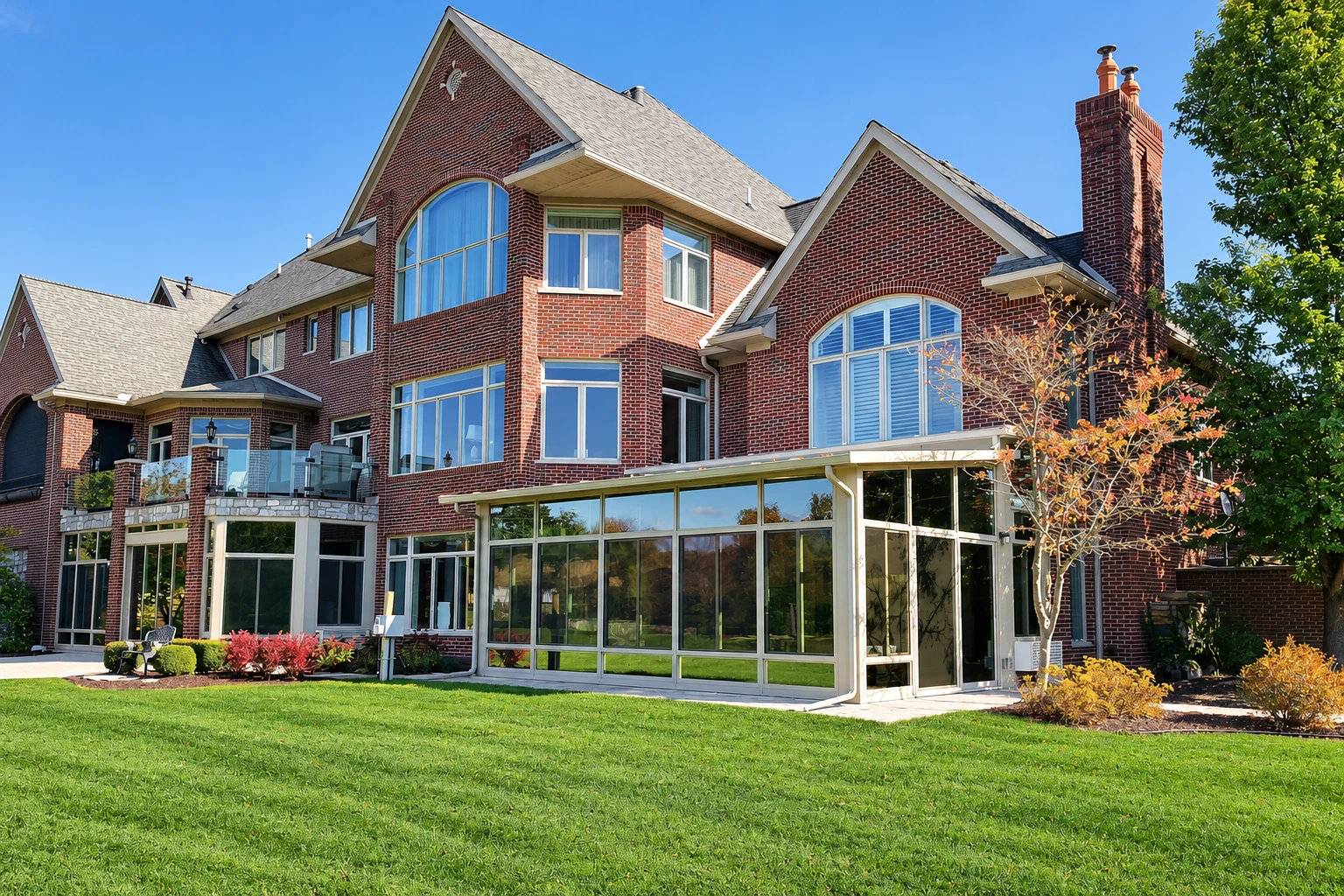
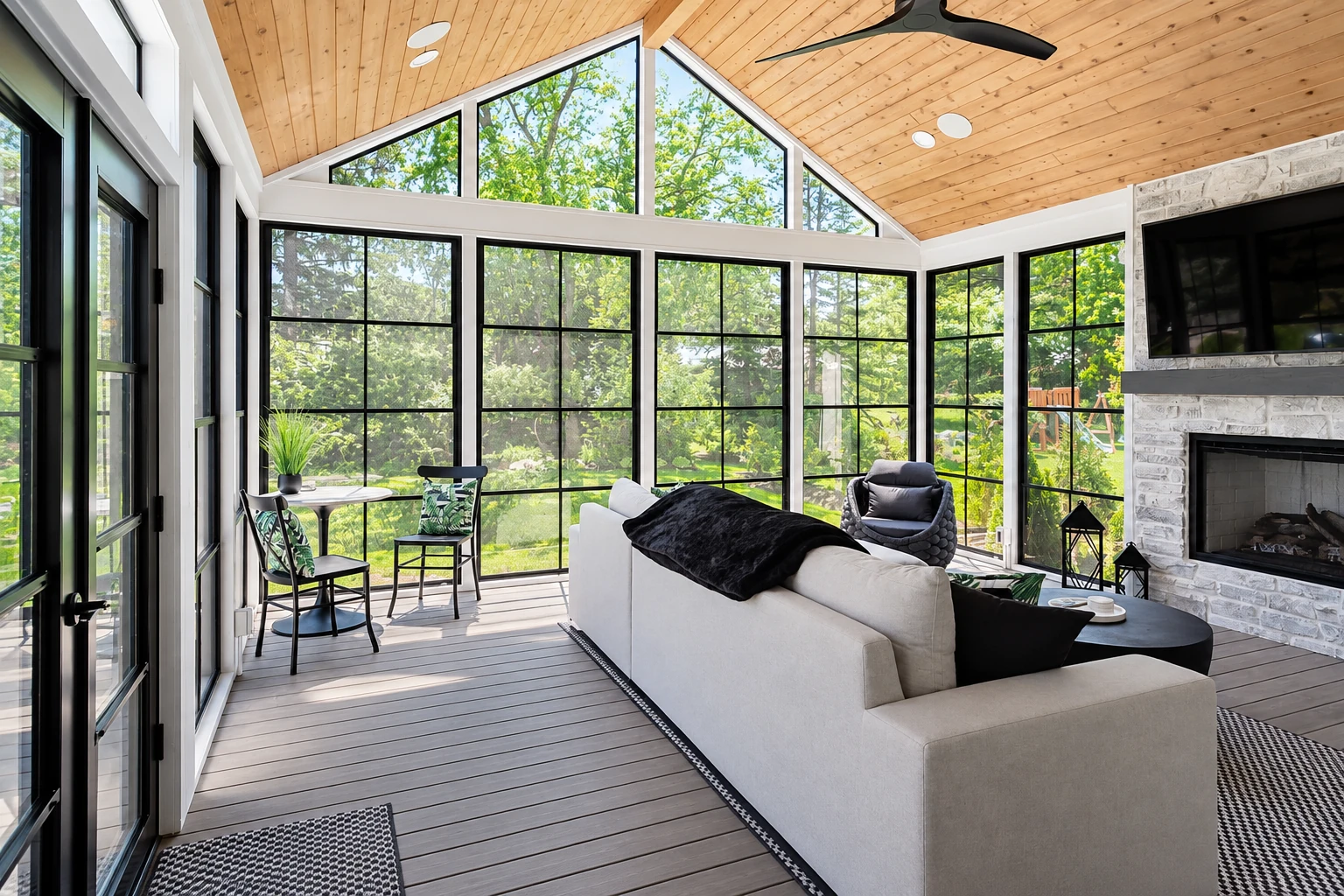
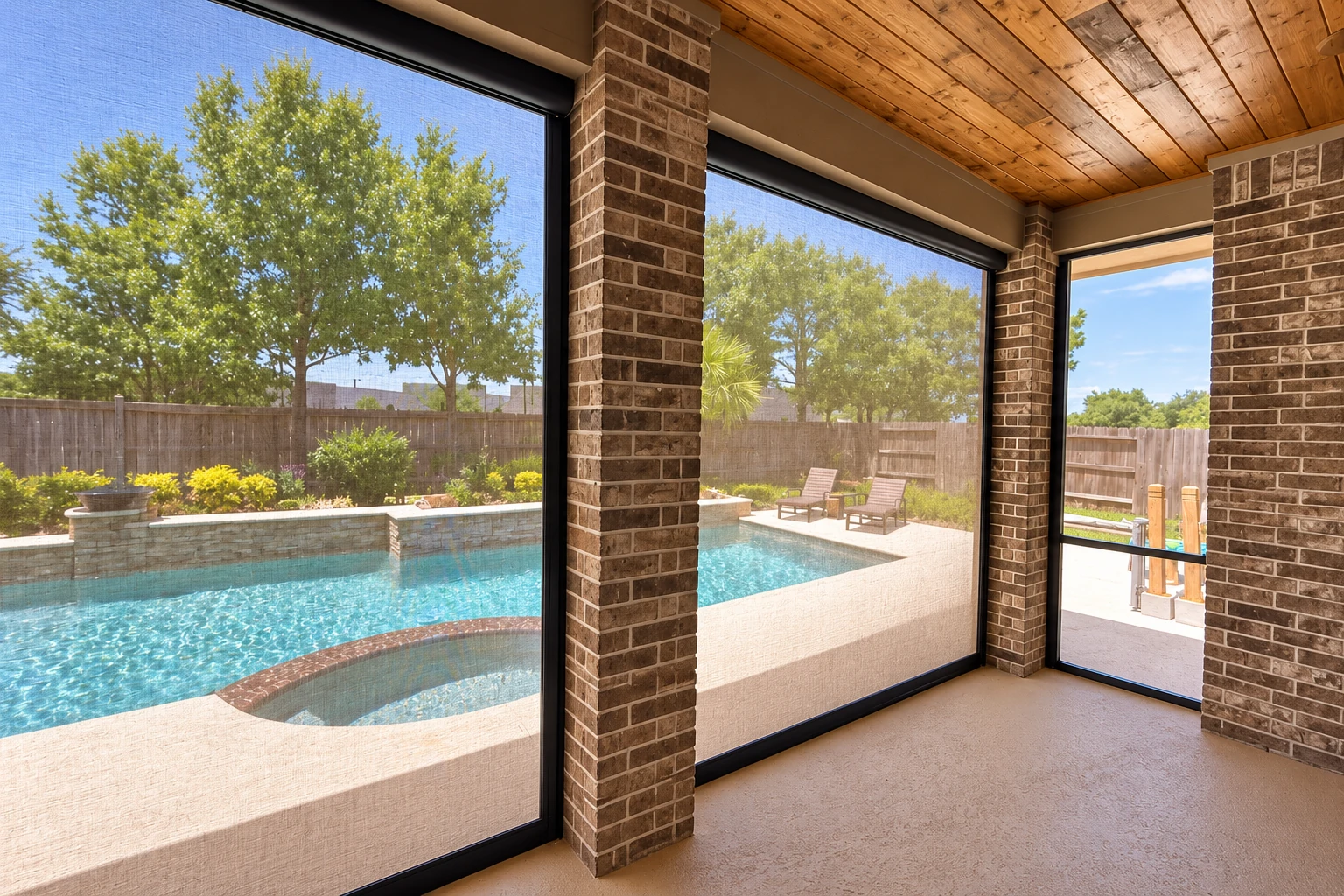
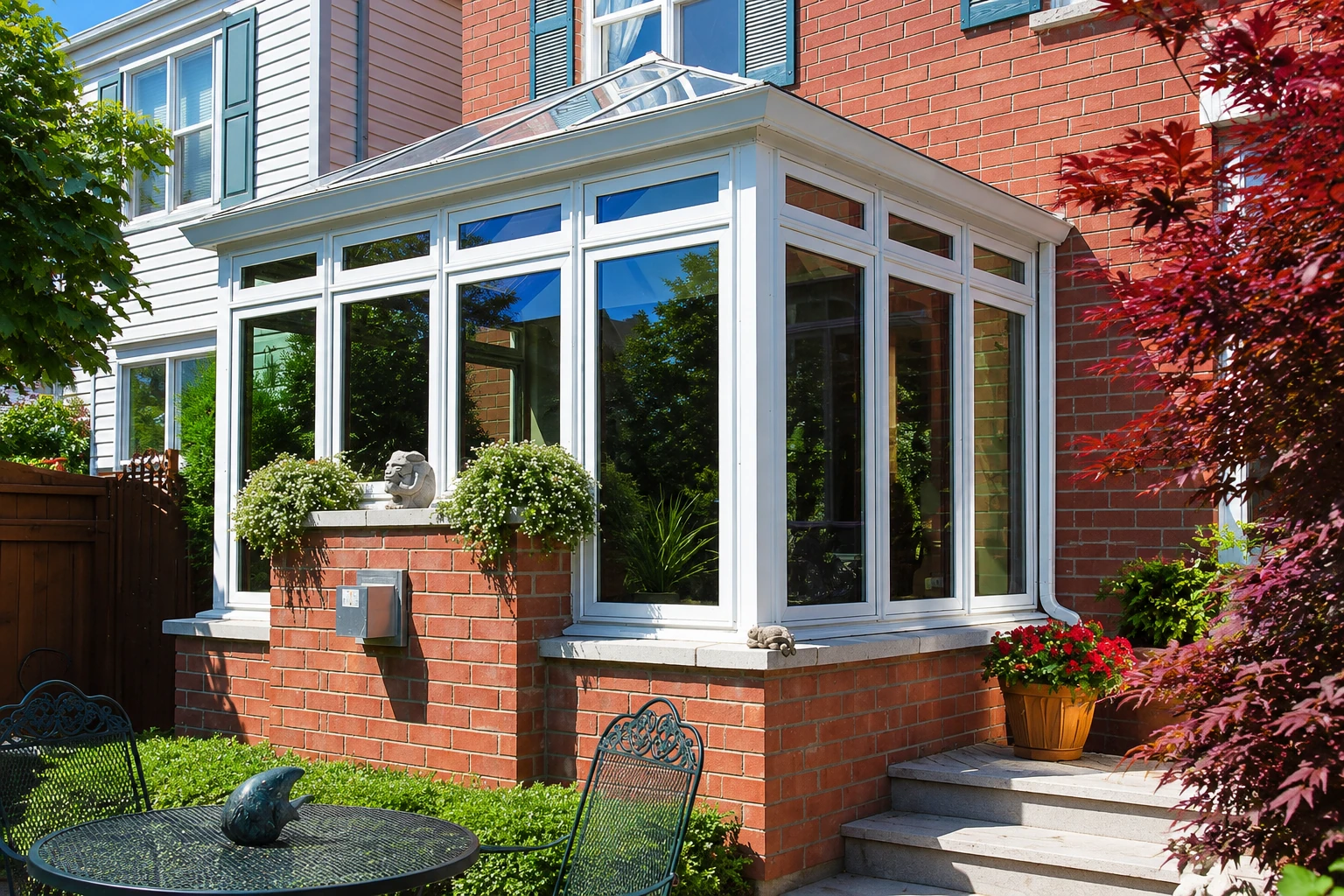
- Fully licensed and insured.
- Free on-site estimates.
- We respond within 1 business day.
What is an all-season room, and what will one take at your Riverside house?
An all-season room is a sunroom with fully enclosed walls that's built to be heated, cooled or both, so on a Riverside house it gives you one more comfortable room off the back instead of a patio you only use a few months of the year.
Most people who call us have a covered patio or a deck they'd use more if it weren't so hot or so cold, and some are weighing a patio-to-sunroom conversion without knowing yet how far to take it. The price moves mostly with the size of the room, whether it needs a new foundation, the windows and insulation you pick, and whether it gets heating and air conditioning of its own. The schedule turns less on the framing than on the plans, the energy paperwork and any heating and cooling work. Once I've seen your house, the written estimate gives you the figure for your own room.
How do you know your patio should be an all-season room?
Nobody uses the patio
You put up a cover for shade, but by early afternoon from June on, the chairs sit empty. That usually means the space needs walls and cooling, not more shade, and every summer you wait is another season it goes unused.
A space heater in the enclosure
If you closed in the patio with screens or thin panels and now run a heater out there in winter, the room was built for three seasons and is losing heat as fast as you make it. Waiting means another winter of a running heater and still wearing a jacket.
Stains where it meets the house
Water marks along the house wall or a soft spot where an old enclosure meets the floor usually point to flashing or drainage that wasn't done right. The longer it goes, the more chance water gets into the framing of the house itself.
How we plan and build all-season rooms
I start by settling with you whether the room opens to the house or closes off with its own heating and cooling, because that choice decides whether it can share your home's system or needs its own, and what the plans have to show. Under the sunroom industry's own specification, a room open to the house counts as living space, while one sealed off with its own temperature control is treated as a separate conditioned room. Next we pick the windows and the insulation for the walls, floor and roof, since all of that is much easier to put in while the room is going up and adding it later can often cost more. We also look at which way the room faces, because energy guidance for cooling climates favors north-facing glass and shading any south-facing glass with overhangs, shutters, landscaping or solar screens. Then we build from the bottom up, starting with the foundation and the flashing where the room meets your house, then the walls, glass and roof, with licensed trades for the electrical and the heating and cooling.
Some homeowners decide partway through planning that they don't need a fully conditioned room, and for them enclosed patio rooms close in the space with less insulation and equipment. If you want glass overhead as well as on the walls, solarium installation is the closer match, and the questions about facing and shade matter even more there.
Open to the house
This suits you if you want the room to feel like part of the kitchen or family room, with no door between them. It usually means planning around your home's heating and cooling and treating the room as real living space from the first drawing.
Closed off with its own heating and cooling
This suits you if you want a door you can shut, for a hobby room, an office or a place for the dogs. The room runs on its own equipment, so your main system doesn't have to stretch to cover it.
Get your all-season room priced, open or closed off
Send the form and we'll reply within one business day to set up a free visit at your home. I'll measure, look over the patio, deck or wall the room would join, and send you a written estimate. There's no obligation to go ahead.
(951) 394-2905Building an all-season room in Riverside
How the room is heated and cooled shapes the paperwork here as much as the build. For an addition covered by California's energy efficiency rules, the local building office approves the energy compliance paperwork before it issues a building permit, and the County of Riverside's room addition requirements ask that plans show how the room will be heated and include all of the energy compliance documents. If we extend your home's ducts into the new room, those ducts have to meet the state's duct insulation and leakage requirements, which is one more reason we settle the heating question first. I find out which office covers your address, prepare and file the paperwork, and meet the inspector on site, and I'll tell you what's settled and what's still up to the city or county. If you're inside the City of Riverside, the city says its zoning map is for reference only, so current zoning for your lot is something to check with the city's Planning Division.
A lot of the houses we see around here already have a slab patio off the back that's the natural spot for a room, so much of the planning is about tying new walls into a wall and roofline that were never built to carry them. We run into the same backyards and the same strong afternoon sun on jobs in Moreno Valley and Corona, and we work in many of the cities around Riverside in Riverside County and San Bernardino County.
What happens when you call about an all-season room?
Call or send us a request
Call (951) 394-2905 or use the form, and we'll set up a time for me to come out. A photo of the patio or wall where you picture the room helps me show up with the right questions.
Measure and talk it through
I measure, look over the slab, deck or wall the room would join, and ask how you'll use it, since that settles whether it opens to the house. Then I send a written estimate that lays out the room, the glass and insulation, and the heating and cooling plan, so you can see what each part adds to the price.
Permits first, then the build
Once you're ready, we take care of the permit paperwork when the job needs it. Then we build the room, starting with what it sits on and how water is kept out where it meets the house.
Walk the finished room together
At the end we walk through the room with you, opening and closing every window and door. That's the time to point out anything you want looked at and to learn how the room drains.
Frequently asked questions
What does an all-season room cost in Riverside?
A sunroom in Riverside usually costs about $17,000 to $120,000 per project, and larger rooms that need a foundation and have heating and air conditioning fall at the higher end. Your own number depends on the size, the glass and insulation, and whether the room shares your home's system. The written estimate after my visit spells that out for your house.
How is an all-season room different from a three-season room?
An all-season room is fully enclosed, heated and cooled, with all-weather windows, while three-season rooms, enclosed porches and enclosed patios generally aren't heated or cooled and have uninsulated windows or screens. A three-season room costs less up front, but if you want to sit in it in August and January, I'd build it for all seasons from the start rather than try to upgrade it later.
How much deposit can a contractor ask for on a home improvement job in California?
The state's contractor license board says a contractor can ask for a down payment of no more than $1,000 or 10 percent of the total contract price, whichever is less, on any home improvement project. Any other payments should be listed clearly in the contract and tied to work already done or materials delivered to your home, and you can ask to see that schedule before you sign.
How do I take care of the windows and doors in an all-season room?
Keep the door and window tracks clean, and keep the weep holes, the small openings in the frames that let water drain out, clear of dirt and leaves. One maker's care guide also says to use pure silicone spray on the tracks instead of an oil-based lubricant, because oil holds onto dirt. I'll show you where the weep holes are on your room during the final walk-through.
Can I turn my covered patio in Riverside into an all-season room?
Often you can, if the slab and the structure can carry walls, glass and an insulated roof. Plenty of patio covers were built for shade and nothing more, so when I come out I check the slab edge, the posts and how the cover ties into the house before I tell you whether it stays or needs a new footing and roof.
How long does it take to build an all-season room?
The building itself is usually the shorter part, and the plans, the energy paperwork and any heating and cooling work set most of the schedule. I can't give you a fair answer until I've seen the site and know what the plans need to show. At the estimate I'll tell you what's known and what's still up to the city or county.
Riverside, CA
Start planning your all-season room
Tell us the size you're picturing, which side of the house it faces and whether it should open to the house, by phone, the form or team@riversidesunroomspatios.com, and I'll come out with those questions already worked through.